
The New Shape of Computational Design Careers in an AI-Driven World
Posted: May 22, 2026
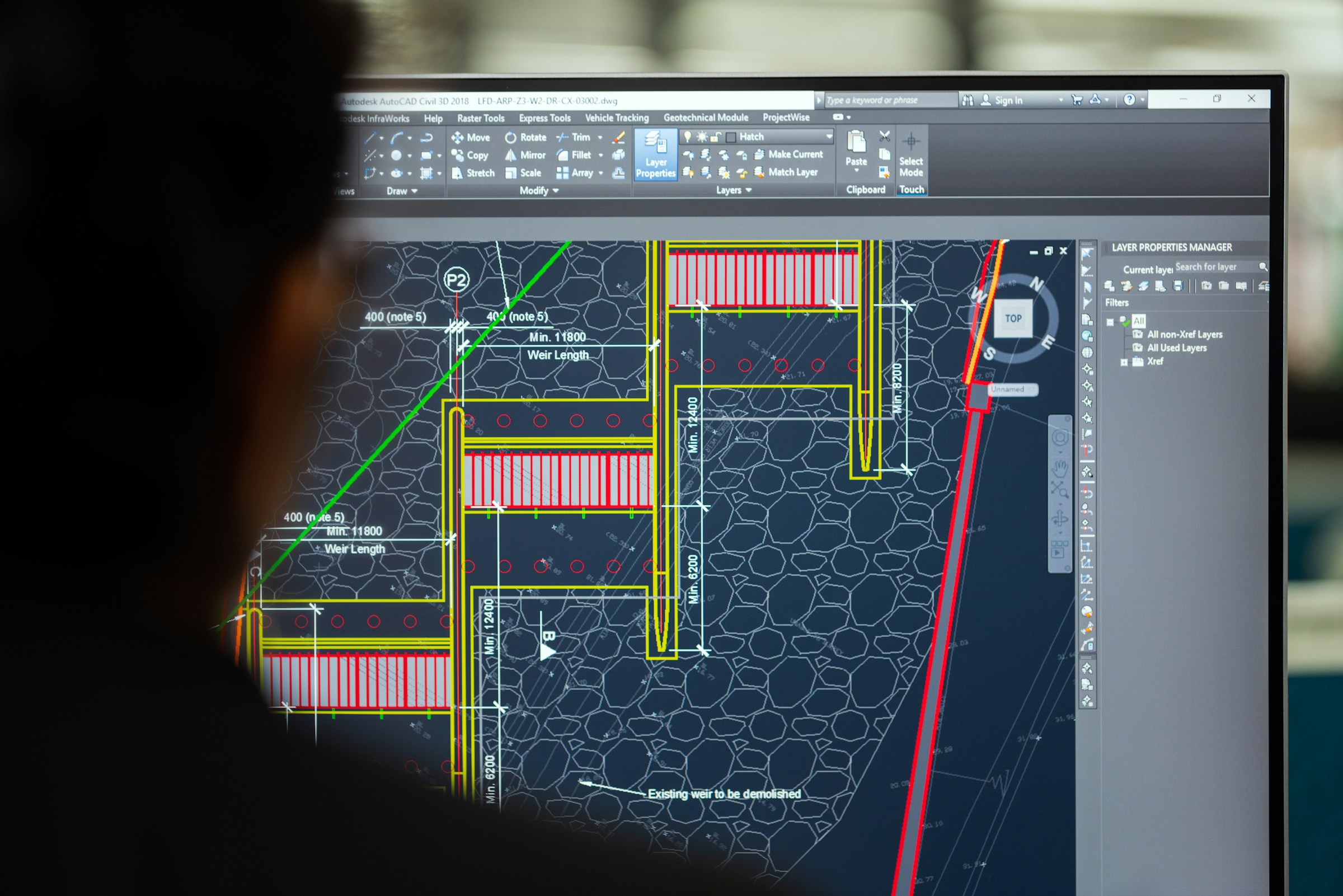
Computational design has always sat at the intersection of architecture and innovation. But in recent years, that intersection has become something closer to a fast-moving crossroads, where technology is not just influencing the discipline, but actively redefining it.
From parametric modelling to generative design and AI-assisted workflows, the pace of change is accelerating. For professionals working in computational design, this presents both challenge and opportunity. The role itself is evolving, and so too are the expectations placed upon those within it.
Traditionally, computational designers were seen as specialists. Individuals who could build scripts, automate workflows and unlock efficiencies within design teams. Today, that skillset is no longer niche. It is increasingly central to how leading practices operate.
What is changing most noticeably is the breadth of capability now required.
Technical proficiency remains fundamental. Tools such as Grasshopper, Python and Dynamo are still core to the role. But employers are now looking beyond pure technical execution. They want designers who can interpret data, contribute to early-stage design thinking and communicate complex ideas clearly across multidisciplinary teams.
In other words, computational designers are no longer just supporting the design process. They are shaping it.
The rise of AI and machine learning is accelerating this shift. While there is understandable concern about automation, the reality within architecture is more nuanced. AI is not replacing computational designers. It is augmenting them.
Tasks that once took hours can now be completed in minutes. Iteration cycles are faster. Data can be analysed at a scale previously unthinkable. But with that efficiency comes a new expectation. Designers must now exercise judgement. Knowing which outputs to trust, how to refine them and how to integrate them meaningfully into a project.
This places greater emphasis on critical thinking and design literacy, not less.
From a recruitment perspective, we are seeing a clear shift in what practices value. The most in-demand candidates are not those who simply know the tools, they are those who understand how to apply them commercially and creatively.
Equally, career paths are becoming less linear.
Computational designers are moving into hybrid roles. Some are stepping into design leadership positions, influencing project direction at a strategic level. Others are moving closer to technology, working alongside software developers or within dedicated innovation teams.
This fluidity creates opportunity, but also raises important questions for both candidates and employers.
For individuals, continuous learning is no longer optional. The tools will continue to evolve. Staying relevant means staying curious, adaptable and open to new ways of working.
For employers, the challenge lies in defining the role itself. Job descriptions that focus solely on software proficiency risk missing the wider value that computational designers can bring. The most successful hires are those aligned not just to tools, but to mindset.
At Architypes, we work closely with practices navigating this shift. The demand for computational design talent is growing, but so too is the need for clarity around what “good” looks like in this space.
Technology will continue to evolve. That is a given.
The real differentiator will be the people who know how to use it, question it and push it further.
Because in computational design, the future is not being predicted. It is being designed