
Architypes and ArchiTech Network: Building Skills, Connections and Opportunities Across Architecture
Posted: September 23, 2026
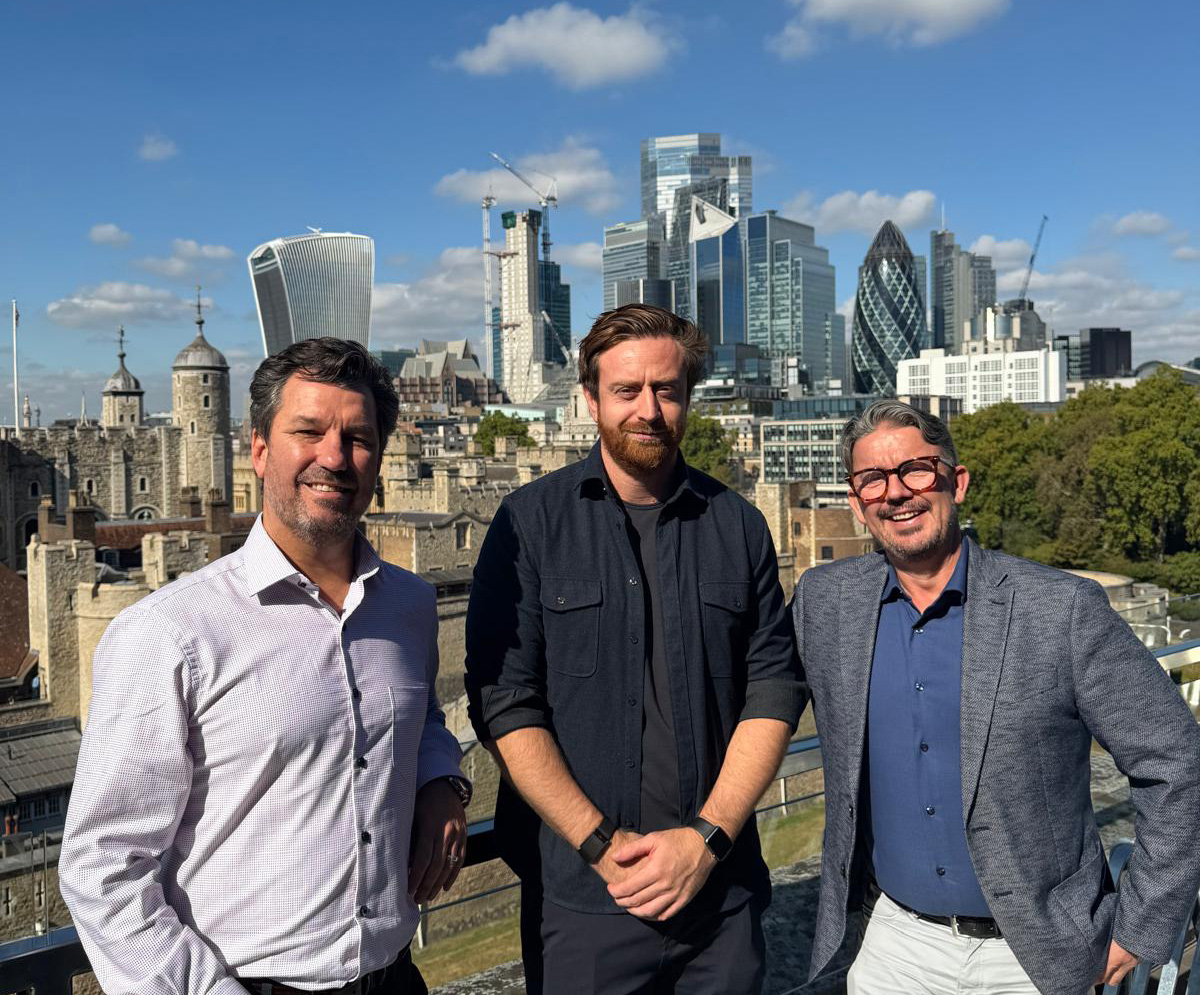
We’re excited to announce a new partnership between Architypes and ArchiTech Network (ATN), bringing together two organisations with a shared ambition to invest in the people who make architecture what it is.
At its heart, the partnership is about people, development and opportunity.
ArchiTech Network has built a thriving community around architecture and technology, creating opportunities for people to learn, exchange ideas and make meaningful connections through:
- Industry events and meet-ups
- Online courses and professional development
- Talks, workshops and knowledge-sharing
- Networking with people from across the architecture community
Architypes brings another important part of that journey: helping talented people understand where their careers can take them and connecting them with practices and opportunities where they can thrive.
Together, we want to help create an architecture community where learning leads to development, connections lead to opportunities and talented people are empowered to keep moving forward.
“Architecture thrives when its people thrive. Partnering with the ArchiTech Network enables us to channel our growth back into the community, creating real opportunities for growth and long-term career development. It’s an investment not just in individuals, but in the future of the entire profession.”
Dan Huckle, Co-Founder, Architypes
More than recruitment
For Architypes, recruitment has always been about more than filling vacancies.
Careers are built over years, shaped by the skills people develop, the relationships they form, the experiences they gain and the opportunities they are given.
That’s where the alignment with ArchiTech Network becomes so powerful.
ATN brings people together around the ideas, technologies and conversations shaping the future of architecture. Architypes connects people with the practices and career opportunities where they can put their skills, experience and ambitions to work.
Together, the partnership creates a more connected journey between learning, community and career development.
Creating more ways to move forward
The ambition is simple: to create more opportunities for people across architecture to develop themselves and their careers.
That means helping people to:
- Learn new skills and stay connected to a rapidly evolving profession
- Meet people outside their immediate teams and professional circles
- Share ideas, experiences and knowledge with the wider community
- Discover career opportunities and new directions they may not otherwise encounter
- Grow professionally and personally throughout their careers
Investing back into the architecture community
Importantly, this is a partnership designed to create tangible value for the community itself.
Architypes is committing 30% of its profits back into the ArchiTech Network community, helping to support training, development initiatives, events and other opportunities for architecture professionals to learn and connect.
It creates a positive cycle: successful recruitment supports investment in the community, that investment helps people develop their skills and networks, and a stronger, better-connected talent community ultimately benefits the practices and people within it.
Built around people
Architecture is changing quickly. Technology is reshaping how practices design, collaborate and deliver projects, while the skills and roles required across the profession continue to evolve.
But behind every new tool, project and innovation are people.
That’s what brings Architypes and ArchiTech Network together: a shared belief that investing in those people is one of the most valuable things we can do for the future of the profession.
More skills. More connections. More opportunities.
We’re incredibly excited about what comes next, and about building a partnership that helps great people across architecture learn, connect and take the next step in their careers.
Check out archi-tech.network for the latest events, explore opportunities at archi-tech.jobs, or get in touch with our team here at Architypes to find out more and get involved.
The New Shape of Computational Design Careers in an AI-Driven World
Posted: May 22, 2026
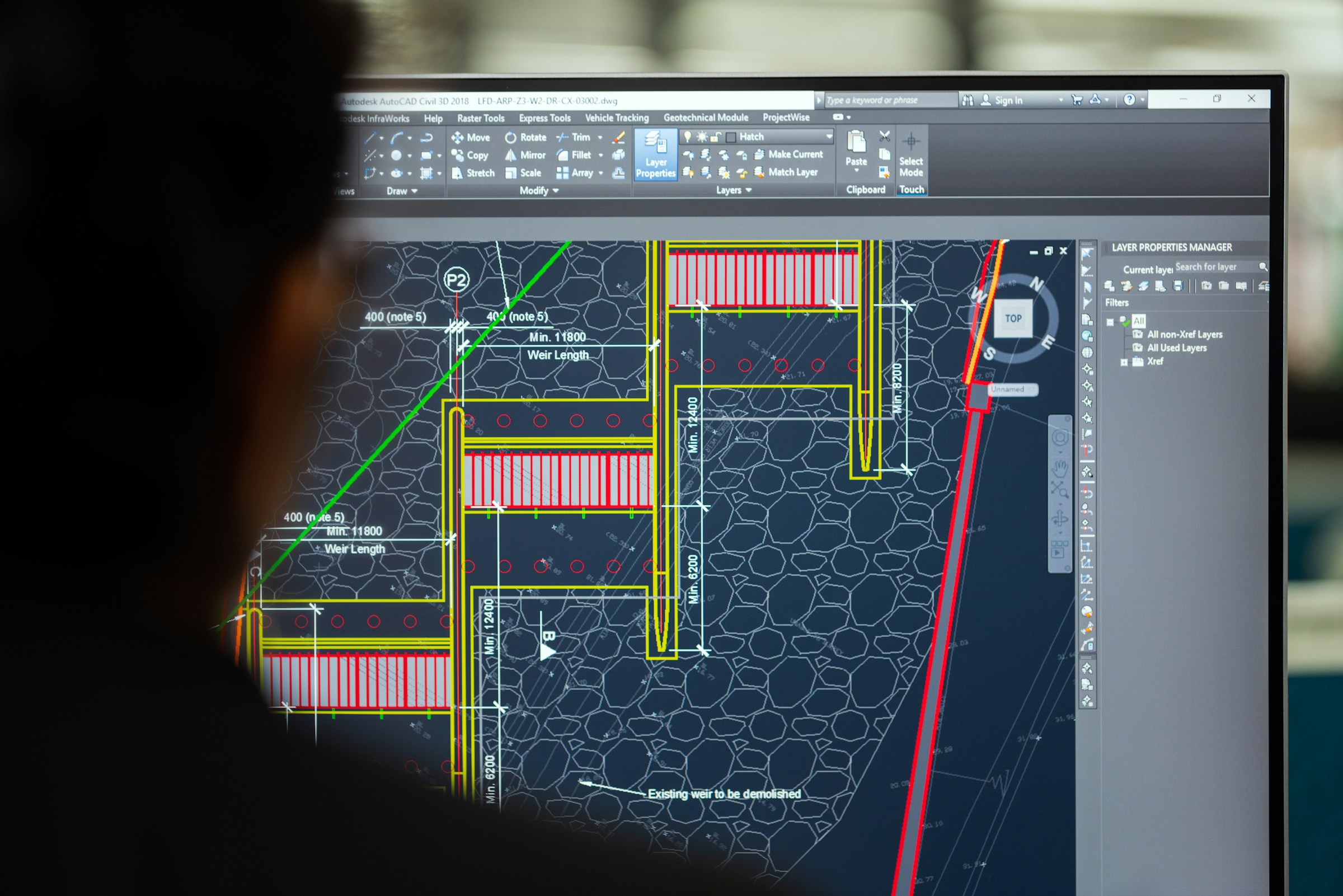
Computational design has always sat at the intersection of architecture and innovation. But in recent years, that intersection has become something closer to a fast-moving crossroads, where technology is not just influencing the discipline, but actively redefining it.
From parametric modelling to generative design and AI-assisted workflows, the pace of change is accelerating. For professionals working in computational design, this presents both challenge and opportunity. The role itself is evolving, and so too are the expectations placed upon those within it.
Traditionally, computational designers were seen as specialists. Individuals who could build scripts, automate workflows and unlock efficiencies within design teams. Today, that skillset is no longer niche. It is increasingly central to how leading practices operate.
What is changing most noticeably is the breadth of capability now required.
Technical proficiency remains fundamental. Tools such as Grasshopper, Python and Dynamo are still core to the role. But employers are now looking beyond pure technical execution. They want designers who can interpret data, contribute to early-stage design thinking and communicate complex ideas clearly across multidisciplinary teams.
In other words, computational designers are no longer just supporting the design process. They are shaping it.
The rise of AI and machine learning is accelerating this shift. While there is understandable concern about automation, the reality within architecture is more nuanced. AI is not replacing computational designers. It is augmenting them.
Tasks that once took hours can now be completed in minutes. Iteration cycles are faster. Data can be analysed at a scale previously unthinkable. But with that efficiency comes a new expectation. Designers must now exercise judgement. Knowing which outputs to trust, how to refine them and how to integrate them meaningfully into a project.
This places greater emphasis on critical thinking and design literacy, not less.
From a recruitment perspective, we are seeing a clear shift in what practices value. The most in-demand candidates are not those who simply know the tools, they are those who understand how to apply them commercially and creatively.
Equally, career paths are becoming less linear.
Computational designers are moving into hybrid roles. Some are stepping into design leadership positions, influencing project direction at a strategic level. Others are moving closer to technology, working alongside software developers or within dedicated innovation teams.
This fluidity creates opportunity, but also raises important questions for both candidates and employers.
For individuals, continuous learning is no longer optional. The tools will continue to evolve. Staying relevant means staying curious, adaptable and open to new ways of working.
For employers, the challenge lies in defining the role itself. Job descriptions that focus solely on software proficiency risk missing the wider value that computational designers can bring. The most successful hires are those aligned not just to tools, but to mindset.
At Architypes, we work closely with practices navigating this shift. The demand for computational design talent is growing, but so too is the need for clarity around what “good” looks like in this space.
Technology will continue to evolve. That is a given.
The real differentiator will be the people who know how to use it, question it and push it further.
Because in computational design, the future is not being predicted. It is being designed
The Increasing Importance of Technology in the World of Architecture
Posted: January 28, 2026

The world of architecture is evolving at an unprecedented pace, and technology is at the heart of this transformation. From how buildings are designed and analysed to how they are constructed and operated, digital innovation is reshaping the discipline. For architects, technologists and built environment professionals, embracing this shift is no longer optional, it is essential.
Digital Design Beyond Sketches and Blueprints
Traditionally, architectural design was rooted in hand drawn sketches and physical models. Today, digital tools such as Building Information Modelling, parametric design software and advanced visualisation platforms have become industry standards. These technologies allow architects to explore complex forms, optimise building performance and collaborate more effectively with engineers and construction teams in real time.
Building Information Modelling enables a single shared model to contain detailed information about geometry, materials and building systems. This integrated approach reduces errors, improves coordination and allows teams to simulate outcomes long before construction begins, saving time, cost and carbon.
Generative Design and Artificial Intelligence
One of the most significant developments in architectural technology is the rise of artificial intelligence. AI driven generative design tools allow architects to define performance criteria such as daylight, energy efficiency or structural performance, and then automatically produce thousands of design options that meet those requirements.
Rather than replacing creativity, AI enhances it. Architects can assess multiple solutions quickly, compare trade offs and make informed design decisions that balance aesthetics, sustainability and buildability. AI is also increasingly used for predictive analysis, evaluating environmental data, user behaviour and material performance to support better outcomes throughout the design process.
Construction Technology From Design to Delivery
Technology now plays a critical role beyond the design studio and into construction. Robotics, drones and automated fabrication are transforming how buildings are delivered. Drones provide accurate site monitoring and progress reporting, robotics support repetitive or high risk construction tasks, and digital fabrication enables highly precise production of complex components.
Prefabrication and modular construction, supported by digital coordination tools, help reduce waste and improve quality control. At the same time, smart building technologies and connected sensors enable buildings to be monitored and optimised once occupied, improving energy efficiency, comfort and long term performance.
Sustainability and Performance Led Design
As environmental responsibility becomes central to architectural practice, technology is proving to be a vital enabler. Simulation tools allow teams to model energy use, daylight performance and carbon impact at early design stages. Artificial intelligence can optimise building systems to reduce operational energy, while digital twins provide live performance data that helps teams refine buildings throughout their lifecycle.
These tools support compliance with regulations while also meeting growing client expectations for sustainable, resilient and future ready buildings.
The Changing Skillset of Architectural Professionals
As technology becomes embedded across all stages of architectural work, the skills required of professionals are evolving. Technical fluency in digital design tools, data analysis, Building Information Modelling and emerging AI applications is now as important as spatial and conceptual thinking.
Practices that invest in learning, experimentation and collaboration are better placed to adapt, innovate and lead in a rapidly changing industry.
A Profession Shaped by Technology and Creativity
Architecture is entering a new era where human creativity and computational power work together. Technology is not diminishing the role of the architect, it is expanding it. By embracing digital tools and intelligent systems, architects can design better performing buildings, respond to complex challenges and create places that are more sustainable, efficient and meaningful.
Staying connected to new ideas, tools and conversations is essential to navigating this shift.
Register for the ATN Architectural Technology Conference
If you want to explore how technology is shaping the future of architecture, from artificial intelligence and digital design to smart construction and sustainable innovation, the ATN Architectural Technology Conference brings the industry together to share insight, experience and expertise.
Register now at https://archi-tech.network/ and be part of the conversation shaping the future of architectural technology.
Finding a Career in Architecture: Turning Creativity into a Lasting Profession
Posted: November 11, 2025

Architecture is one of the few careers that seamlessly blends art, science, and social impact. It’s about more than just designing buildings — it’s about shaping spaces that define how people live, work, and interact. Whether you’re fascinated by design, sustainability, or the future of urban living, a career in architecture can be both creatively fulfilling and intellectually rewarding.
Understanding the Role
Architects do far more than sketch blueprints. They translate ideas into functional, safe, and beautiful environments — considering everything from structural integrity and sustainability to how light, sound, and materials influence the human experience. The role often involves collaborating with clients, engineers, surveyors, and planners, and it requires both artistic flair and strong technical understanding.
What Qualifications Do You Need?
Becoming a fully qualified architect in the UK typically takes at least seven years, including study and practical experience. The process usually follows three key stages:
-
Part 1: A three-year undergraduate degree (BA or BSc in Architecture) from a RIBA-accredited university.
-
Practical Experience (Year Out): One year of supervised work in an architectural practice.
-
Part 2: A two-year postgraduate degree (Diploma or Master’s) in Architecture.
-
Part 3: Professional experience and examination, leading to registration with the ARB (Architects Registration Board) and eligibility for RIBA Chartered status.
It’s a long journey, but for many, the combination of creativity, responsibility, and tangible results makes it worthwhile.
Alternative Routes and Related Careers
Not everyone in architecture needs to be a registered architect. There are related roles that play essential parts in the design and construction process, such as:
-
Architectural Technologist – Focuses on the technical side of building design and construction.
-
Urban Designer or Planner – Shapes larger-scale spaces like neighbourhoods or cities.
-
Interior Architect – Designs internal spaces to enhance functionality and aesthetics.
-
Landscape Architect – Creates sustainable outdoor environments and public spaces.
-
BIM Specialist – Works with digital design systems to create detailed building models.
Each of these careers offers a slightly different balance between design, technology, and project management.
Building Experience
Experience is vital. If you’re studying or considering a career in architecture, try to gain exposure early:
-
Work placements or internships with architectural firms can help you understand how theory meets practice.
-
Portfolio building is key — include sketches, models, and digital work that reflect both creativity and problem-solving.
-
Competitions and student projects can showcase your innovation and commitment to design.
The Future of Architecture
Architecture is evolving rapidly. Sustainability, smart technology, and urban regeneration are reshaping the profession. Future architects will need to understand how to design for a changing climate, use renewable materials, and integrate technology to make buildings more efficient and connected.
As cities grow and priorities shift towards greener, more inclusive spaces, there’s never been a more exciting time to join the field.
Final Thoughts
A career in architecture isn’t just about drawing plans — it’s about designing the future. It requires patience, resilience, and passion, but it offers the chance to leave a lasting mark on the world. Whether you’re just beginning your studies or exploring new opportunities within the field, architecture can provide a rich and meaningful professional path.
Key Considerations for Attracting the Best Architectural Talent in 2025
Posted: September 17, 2025

The architectural profession is evolving faster than ever. Sustainability, digital design, and global collaboration are transforming the way architects work — and, consequently, what they look for in an employer. In 2025, competition for top architectural talent is fierce. Firms that want to attract and retain the best designers, technologists, and project specialists must look beyond salary alone.
Here are the key considerations shaping how architectural practices can stand out in today’s market.
1. Purpose and Impact Matter More Than Ever
Architects are increasingly motivated by purpose. The best professionals want to work on projects that make a difference — whether that’s improving urban liveability, restoring heritage spaces, or advancing sustainable design.
Firms should clearly communicate their values and vision. What role does your practice play in tackling the climate crisis? How are you contributing to inclusive, people-first design? A strong sense of purpose helps candidates see more than a job — they see a mission they can believe in.
2. Sustainability and Innovation Are Non-Negotiable
Sustainability is no longer a niche specialism; it’s a fundamental expectation. Top architectural talent wants to work for firms that are at the forefront of sustainable design and construction methods.
This means investing in:
-
Low-carbon materials and circular design approaches.
-
Training on new sustainable technologies.
-
Partnerships that promote environmental innovation.
Candidates increasingly assess potential employers on how seriously they take their sustainability commitments — and how these are reflected in daily practice.
3. Digital Skills and Tools Shape Employer Appeal
Digital transformation is redefining architecture. From BIM and AI-assisted design to virtual reality walkthroughs, technology is central to how modern practices operate.
Attracting top-tier professionals means offering access to the latest tools and workflows, and ensuring your culture embraces experimentation and learning. Firms that position themselves as digitally advanced — or at least forward-thinking — will naturally appeal to younger architects who’ve grown up in a digital design world.
4. Flexible Working is Here to Stay
The pandemic permanently shifted expectations around flexibility. Many architects now expect a hybrid working model, combining studio collaboration with remote design work.
Balancing this with the collaborative nature of architecture requires thought — but firms that get it right benefit from happier, more loyal staff. Clear communication, cloud-based collaboration tools, and a strong sense of team identity help maintain connection, even when people work across locations.
5. Culture and Development Drive Retention
Architects are lifelong learners. They thrive in environments where their ideas are valued, their skills grow, and their career paths are clear.
To attract and retain talent in 2025:
-
Invest in mentorship – Pair emerging designers with experienced professionals.
-
Offer structured progression – Make development routes transparent.
-
Encourage creativity – Give your team space to explore and innovate beyond client briefs.
A culture that prioritises growth and collaboration builds loyalty that no salary package can match.
6. Employer Brand Matters in a Competitive Market
The best architectural talent often has multiple offers. How your firm is perceived online and within the industry can make the difference between securing or losing a candidate.
Invest in your employer brand:
-
Showcase projects that demonstrate innovation and social value.
-
Highlight your people — your studio culture, diversity, and achievements.
-
Maintain an engaging digital presence through your website and social media channels.
In 2025, candidates research employers as thoroughly as employers research candidates. Make sure your story is one worth joining.
Final Thoughts
The architectural landscape of 2025 demands more than design excellence — it requires adaptability, authenticity, and purpose. To attract the brightest minds, practices must show they’re not just designing buildings, but designing better ways of working and living.
When your firm’s culture, technology, and values align with the aspirations of today’s architects, attracting top talent becomes a natural outcome — not a constant challenge.